Short answer
Civilization heritage is everything a civilization leaves to the generations after it — its buildings and objects, but also its languages, beliefs, customs, laws and knowledge. In short: what a society created and handed down, as opposed to what nature provided.
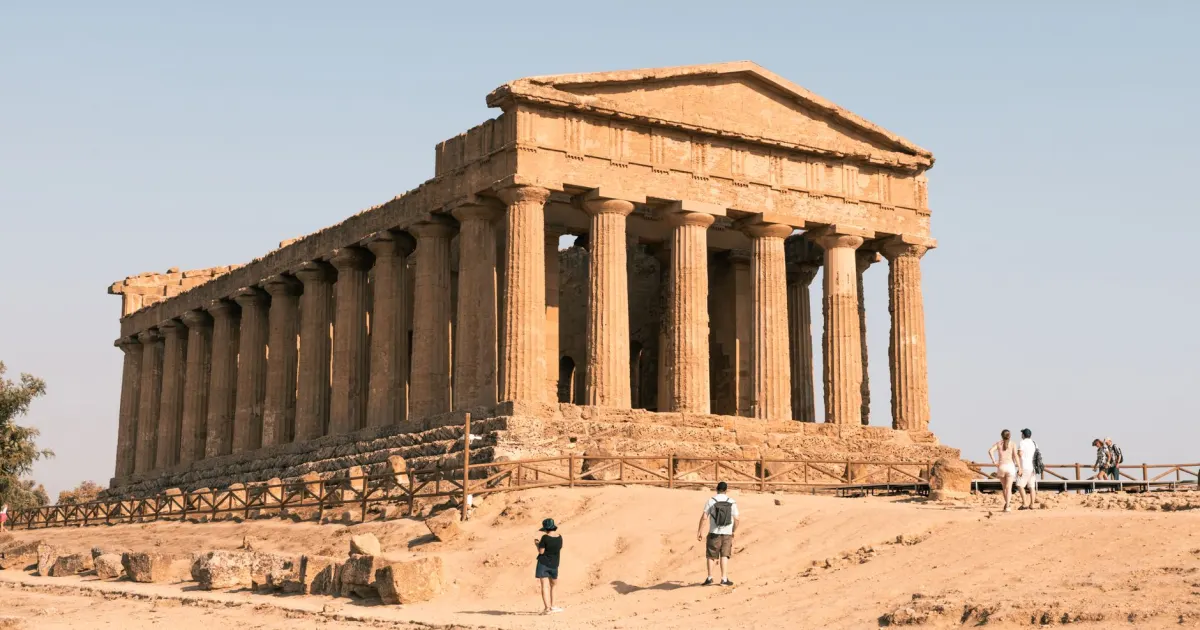
- Tangible heritage: things you can touch — monuments, cities, tools, art, manuscripts.
- Intangible heritage: things you cannot touch — languages, traditions, rituals, skills, ideas.
- "Heritage" literally means something inherited, passed from one generation to the next.
"Civilization heritage" sounds academic, but the idea is simple. Here is a plain definition, the two kinds of heritage, and how it differs from culture.
Simple definition
Civilization heritage is the legacy of a civilization: the material and non-material things its people created that survive and are passed on to later generations.
Two words make it up:
- Civilization — a complex society with cities, organised government, writing and shared culture.
- Heritage — something inherited. In its original dictionary sense it means property that passes to an heir; in everyday use it means traditions, languages and other features that belong to a society's culture.
Put together: what a civilization inherits from those before it, and what it passes on.
Two kinds of heritage
| Tangible (material) | Intangible (non-material) |
|---|
| Pyramids, temples, cathedrals | Languages and writing systems |
| Ancient cities and roads | Religious beliefs and rituals |
| Tools, pottery, coins | Laws and forms of government |
| Paintings, sculpture, manuscripts | Music, dance, festivals |
| Historic gardens and landscapes shaped by people | Crafts, skills and knowledge |
Natural wonders like mountains or rivers are natural heritage, not civilization heritage, unless people shaped them.
Examples
- Ancient Egypt: the pyramids and hieroglyphic writing.
- Ancient Greece: democracy as an idea, philosophy, theatre and the Parthenon.
- Ancient Rome: Roman law, Latin, roads and aqueducts.
- Ancient China: paper, the Great Wall, Confucian ideas.
- Indus Valley: planned cities such as Mohenjo-daro.
Heritage vs culture
Culture is the way of life of a society right now — what people believe, do and make today. Heritage is the part of culture that has been inherited from the past and is valued enough to keep. Every heritage was once culture; not every part of today's culture will become heritage.
Why civilization heritage matters
It gives societies an identity, connects them to their past, and preserves knowledge that would otherwise be lost. That is why organisations like UNESCO list and protect World Heritage Sites and intangible heritage.
Civilization heritage FAQ
What is the meaning of civilization heritage?
Everything a civilization creates and passes on to later generations — buildings, objects, languages, beliefs, customs and knowledge.
What is a simple definition of heritage?
Something inherited from the past, such as traditions, languages, buildings or objects.
What are the two types of heritage?
Tangible (physical things like monuments and art) and intangible (non-physical things like languages and traditions).
What is the difference between heritage and culture?
Culture is a society's current way of life; heritage is what has been inherited from the past and preserved.